The World Behind the Walls
Attack on Titan is a story born from fear.
Humanity survives within towering walls, believing extinction awaits beyond them.
For generations, people live quiet, restrained lives, taught that safety exists only through obedience
and ignorance. Dreams of the outside world are dismissed as childish fantasies.
This fragile illusion collapses the day the walls are breached.
Titans -grotesque, mindless giants -pour into human territory,
reducing cities to rubble and lives to memories.
In a single moment, humanity is reminded that peace was never guaranteed.
Eren Yeager and the Idea of Freedom
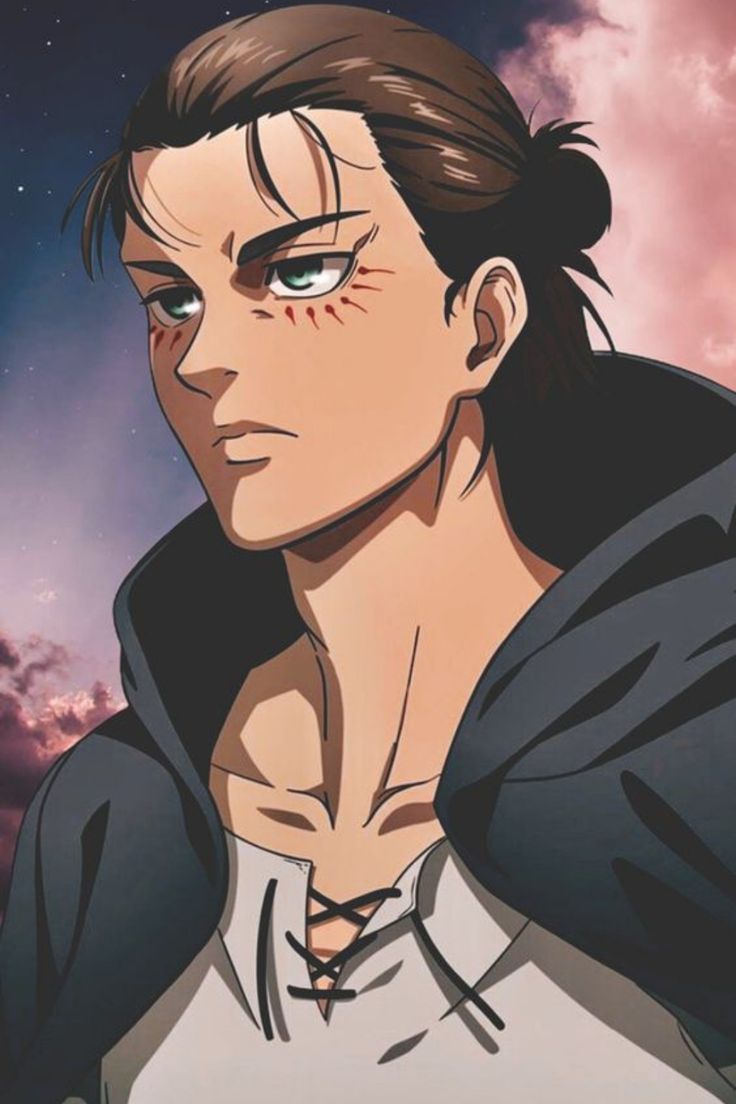
At the heart of this collapse is
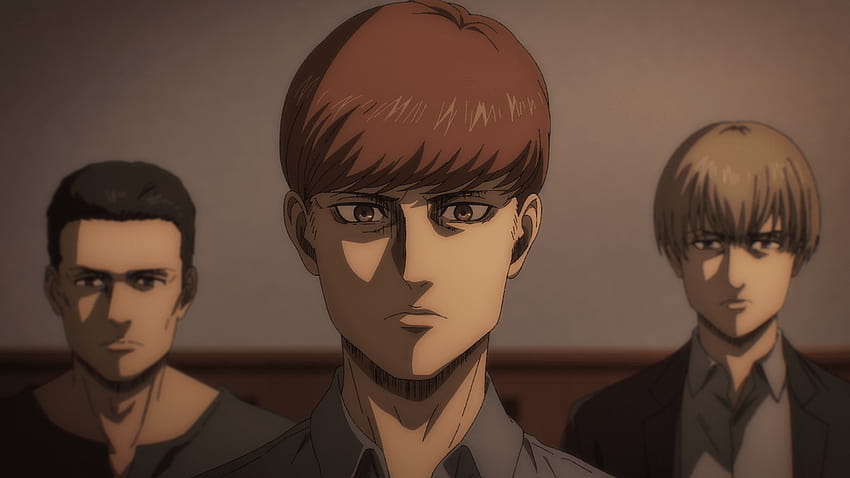
Eren Yeager,
a boy who has always despised the walls.
To Eren, the walls symbolize cages -barriers that deny humanity its right to exist freely.
When tragedy strikes his home, his hatred transforms into resolve.
Eren’s journey is not one of simple heroism.
As the truth of the world unfolds, his ideals twist under the weight of reality.
The pursuit of freedom begins to demand sacrifices that blur the line
between protector and destroyer.
The series dares the audience to ask:
Is freedom worth any cost?
Soldiers Without Glory
The soldiers who fight the Titans are not legends
they are frightened, determined people who accept near-certain death
in exchange for meaning.
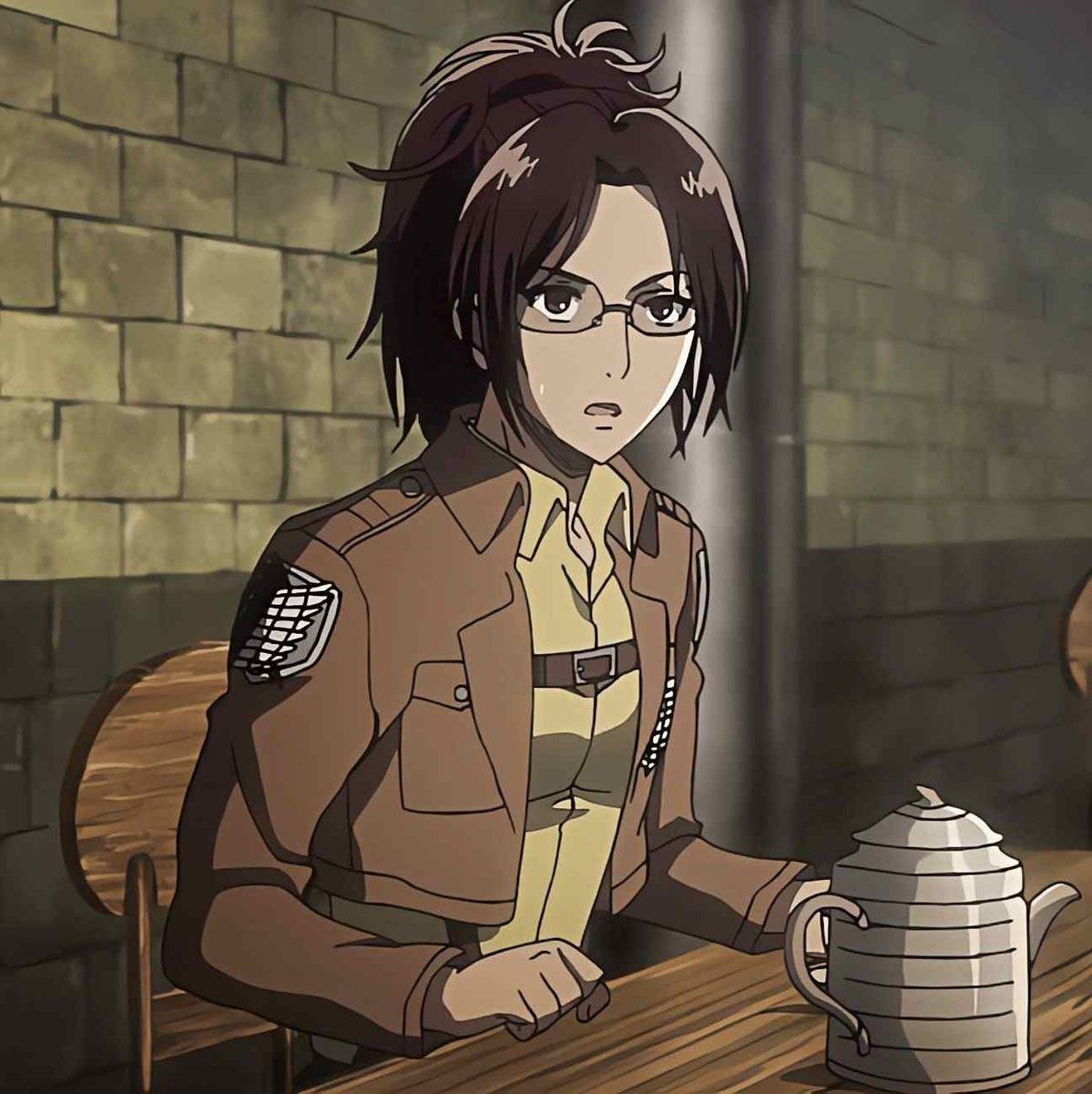
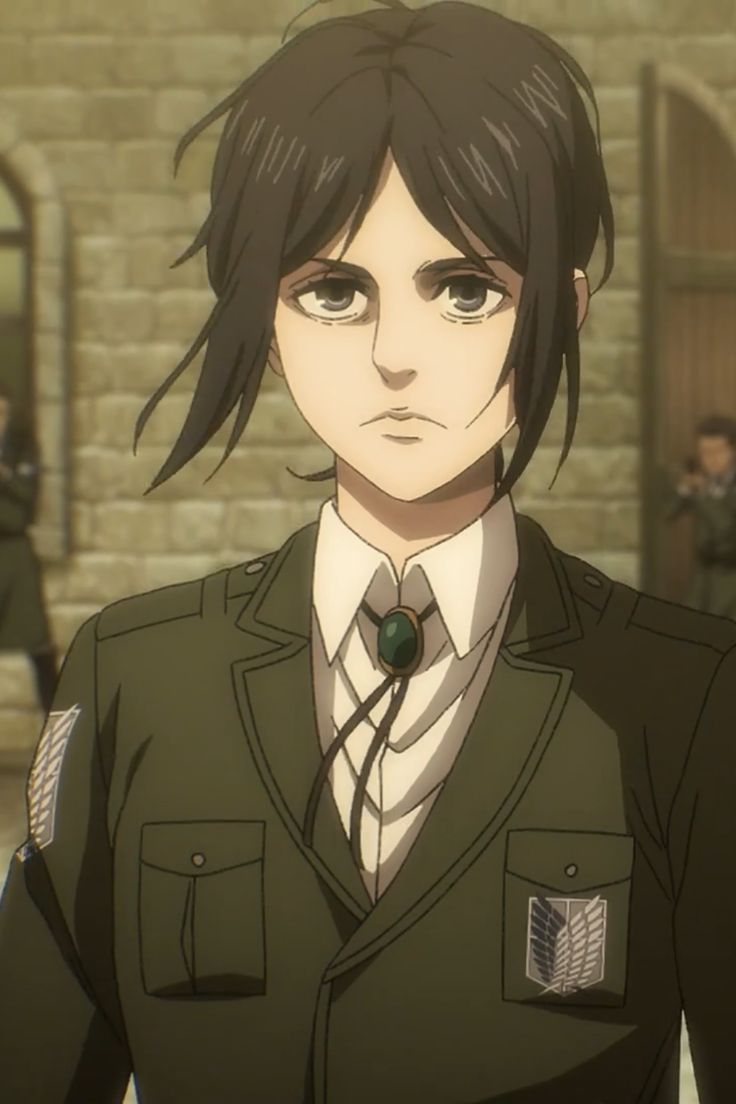
The Survey Corps stands at the forefront,
sacrificing countless lives to push humanity’s boundaries even a little further.
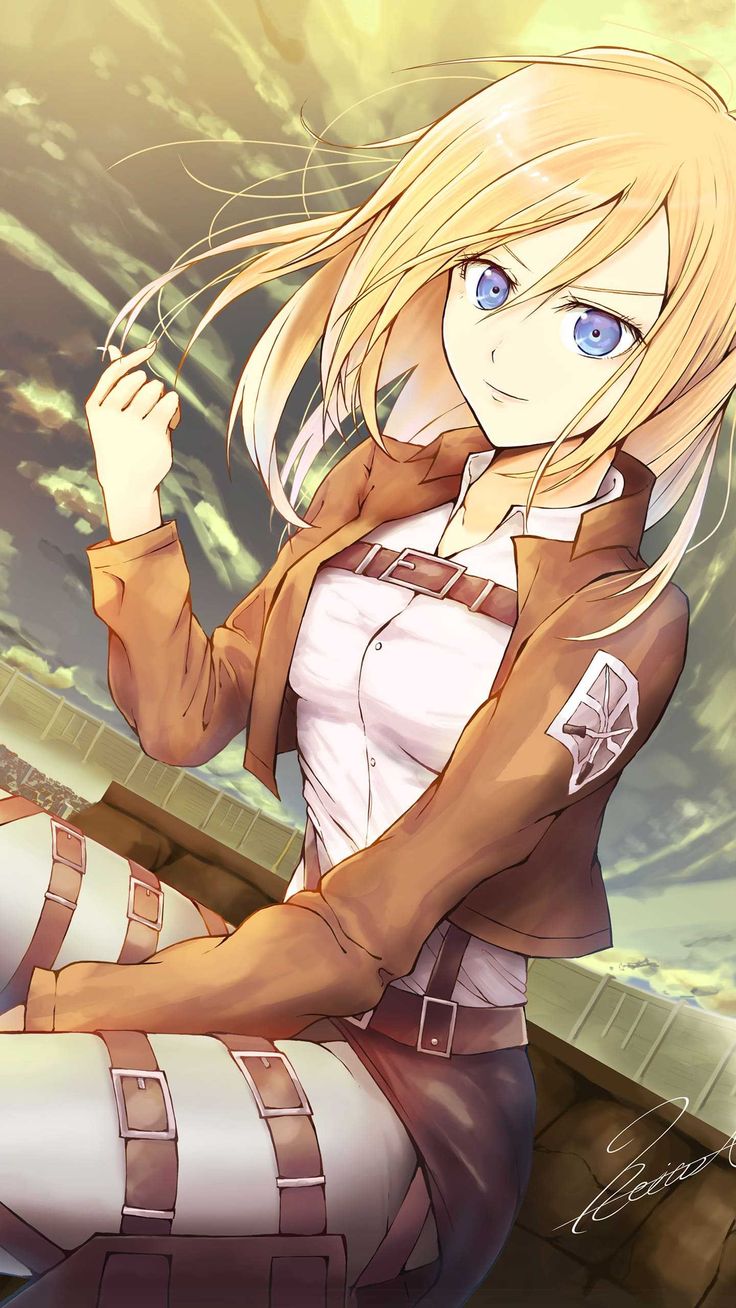
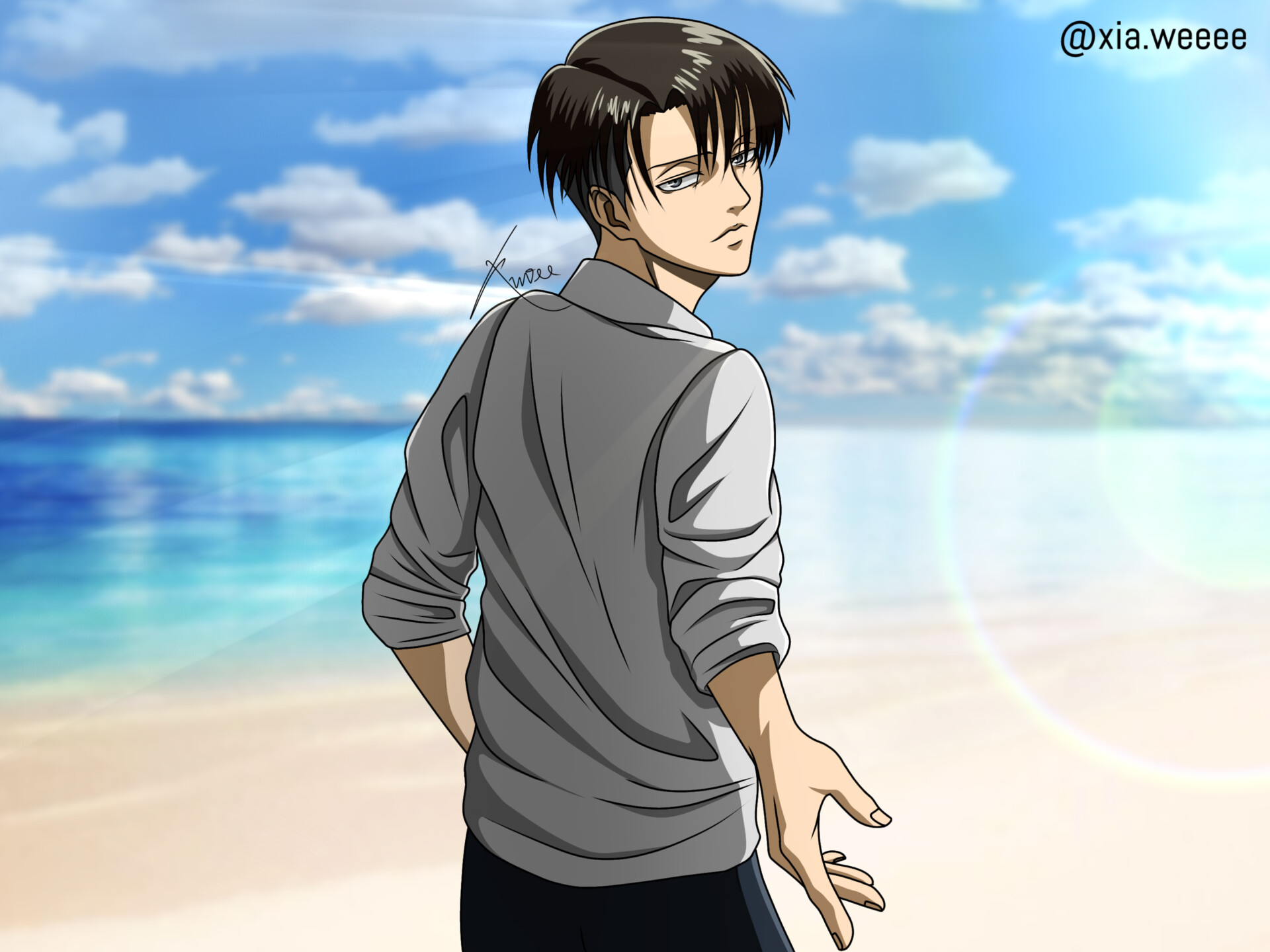
Characters such as
Levi Ackerman,
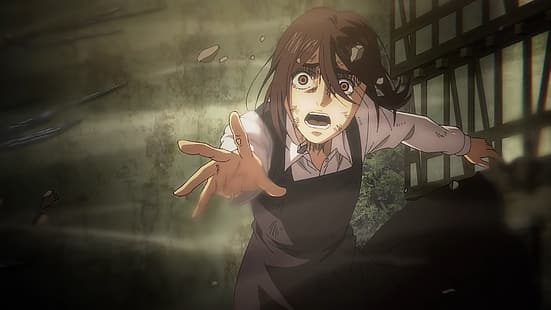
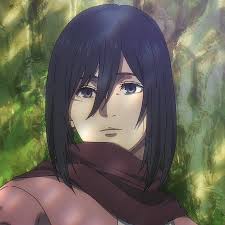
Mikasa Ackerman,
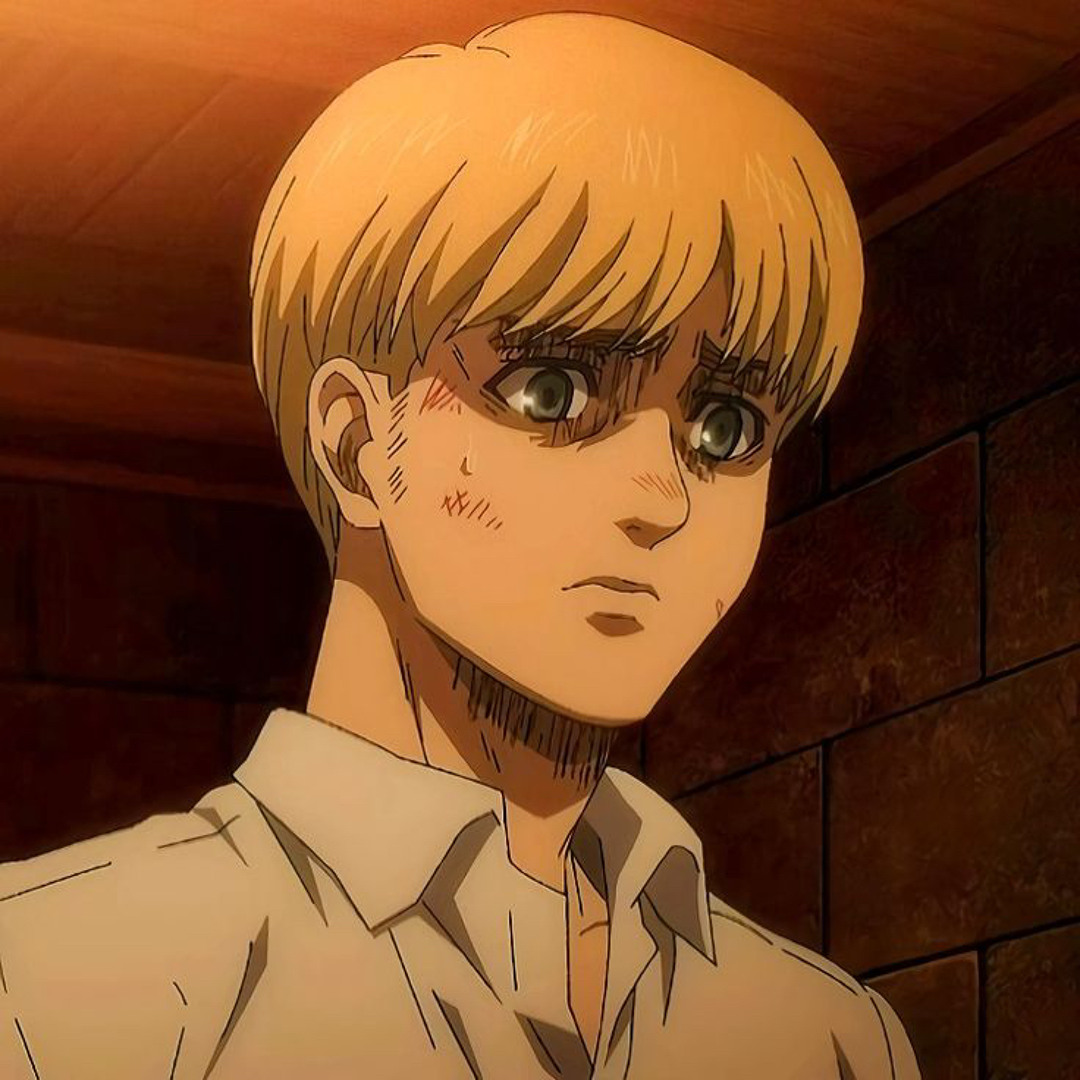
and
Armin Arlert
represent discipline, loyalty, and intellect.
Each survives differently, carrying invisible scars long after battles end.
The Truth of the Titans
As secrets hidden within the walls are uncovered,
the Titans themselves are revealed to be victims of a larger, cruel system.
They are not born monsters, but transformed humans —
proof that hatred and war deform both body and soul.
The battlefield expands beyond the walls,
revealing nations, ideologies, and inherited guilt.
Humanity is no longer united against monsters;
it is divided by history, revenge, and fear of the other.
Leadership and Sacrifice
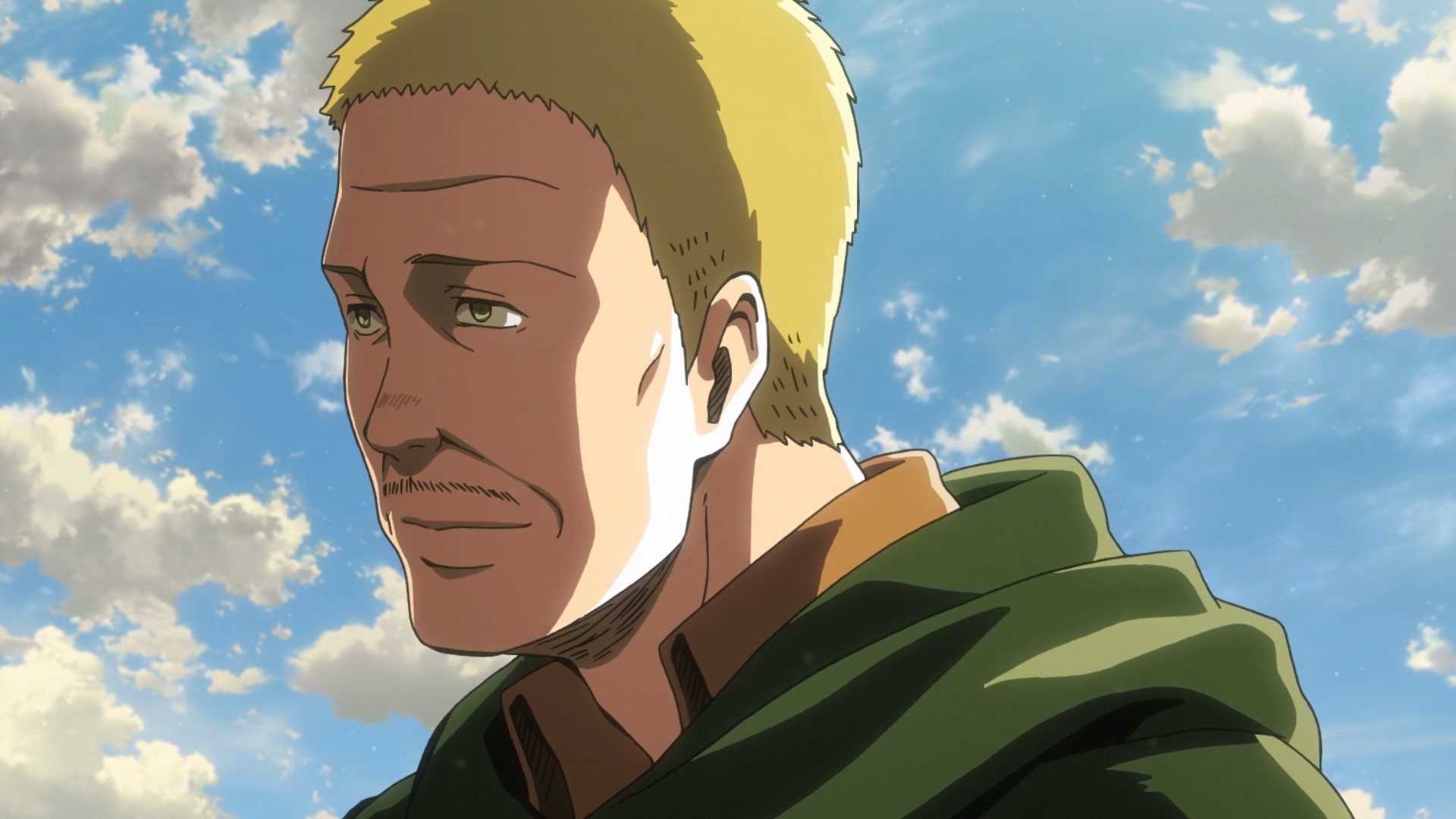
Leaders such as
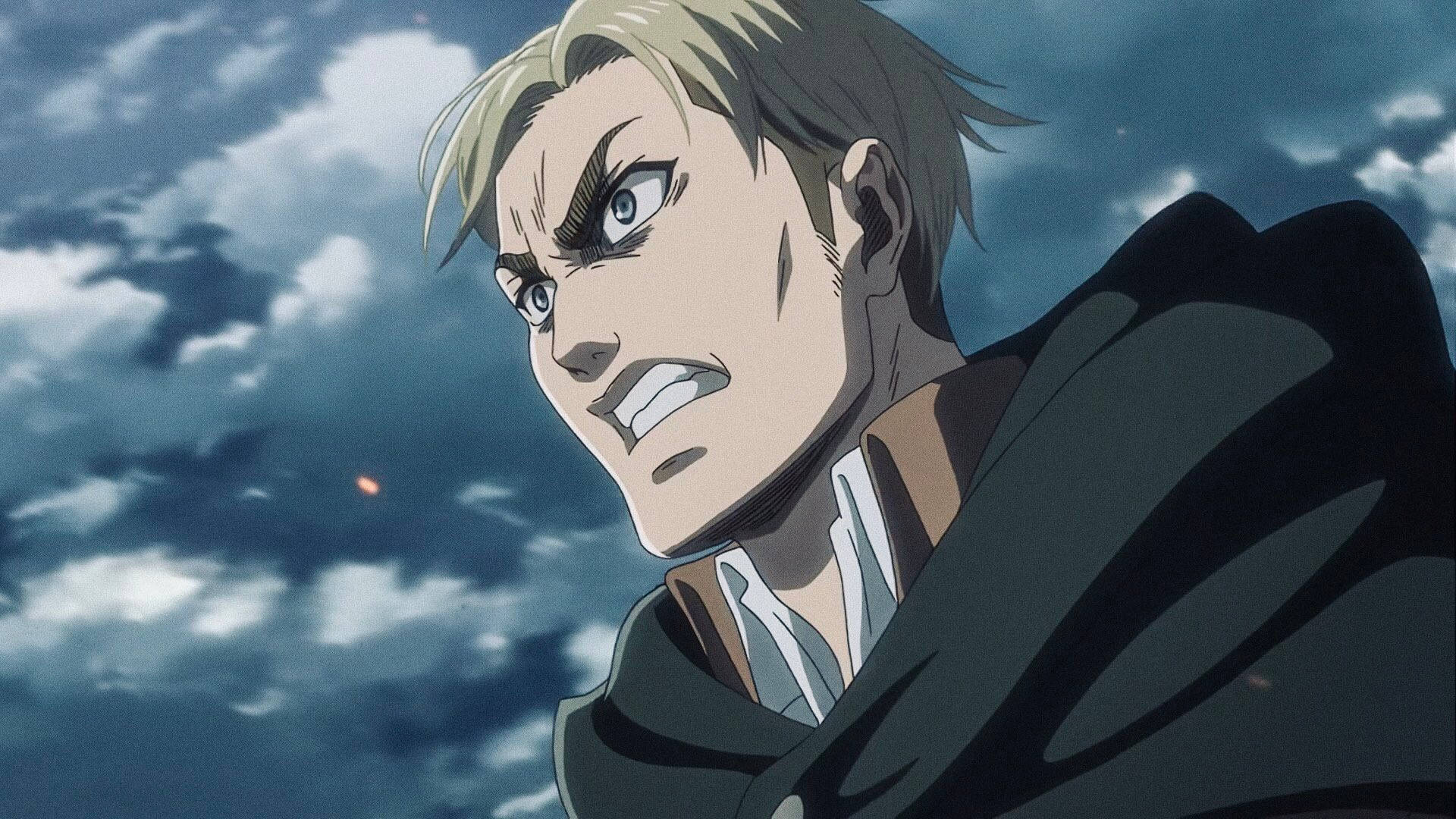
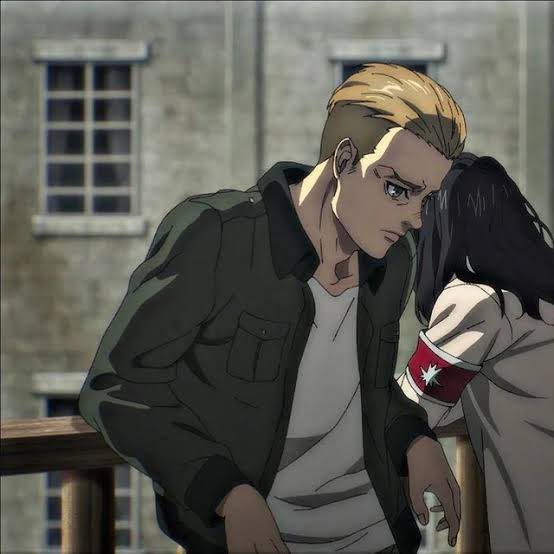
Erwin Smith
embody the unbearable weight of command.
Decisions are made knowing they will cost lives.
Victory becomes a calculation, not a celebration.
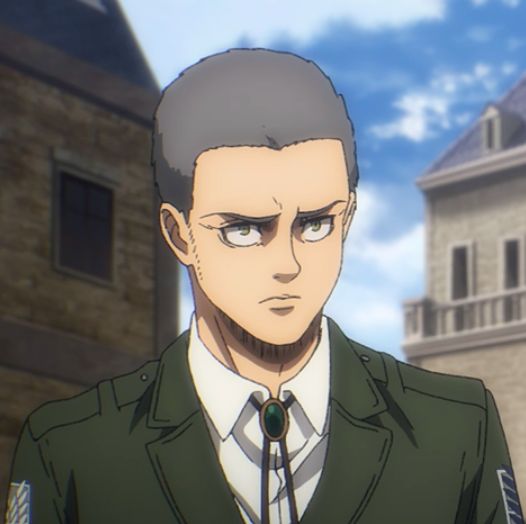
Others, like
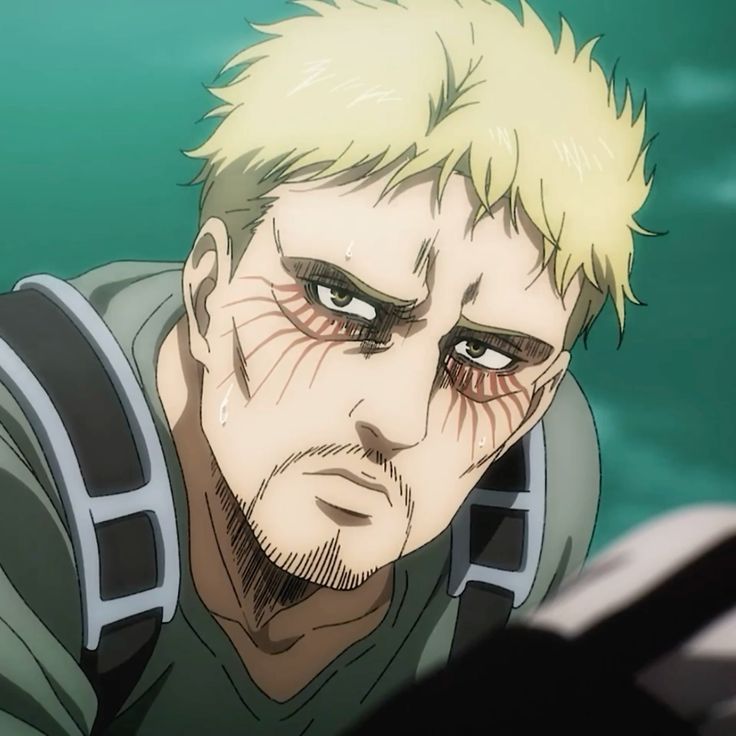
Reiner Braun,
reveal the psychological collapse caused by living on both sides of war —
hero and enemy, victim and perpetrator.
The Price of Freedom
Attack on Titan ultimately rejects simple answers.
It portrays a world where no side is innocent
and every act of violence creates new suffering.
Freedom is not portrayed as triumph, but as burden.
The series asks whether humanity can ever escape cycles of hatred,
or whether each generation is doomed to repeat the sins of the past
under new banners and new justifications.
In the end, Attack on Titan is not merely about survival —
it is about choice.
About what people are willing to become
in order to live in a world without walls.